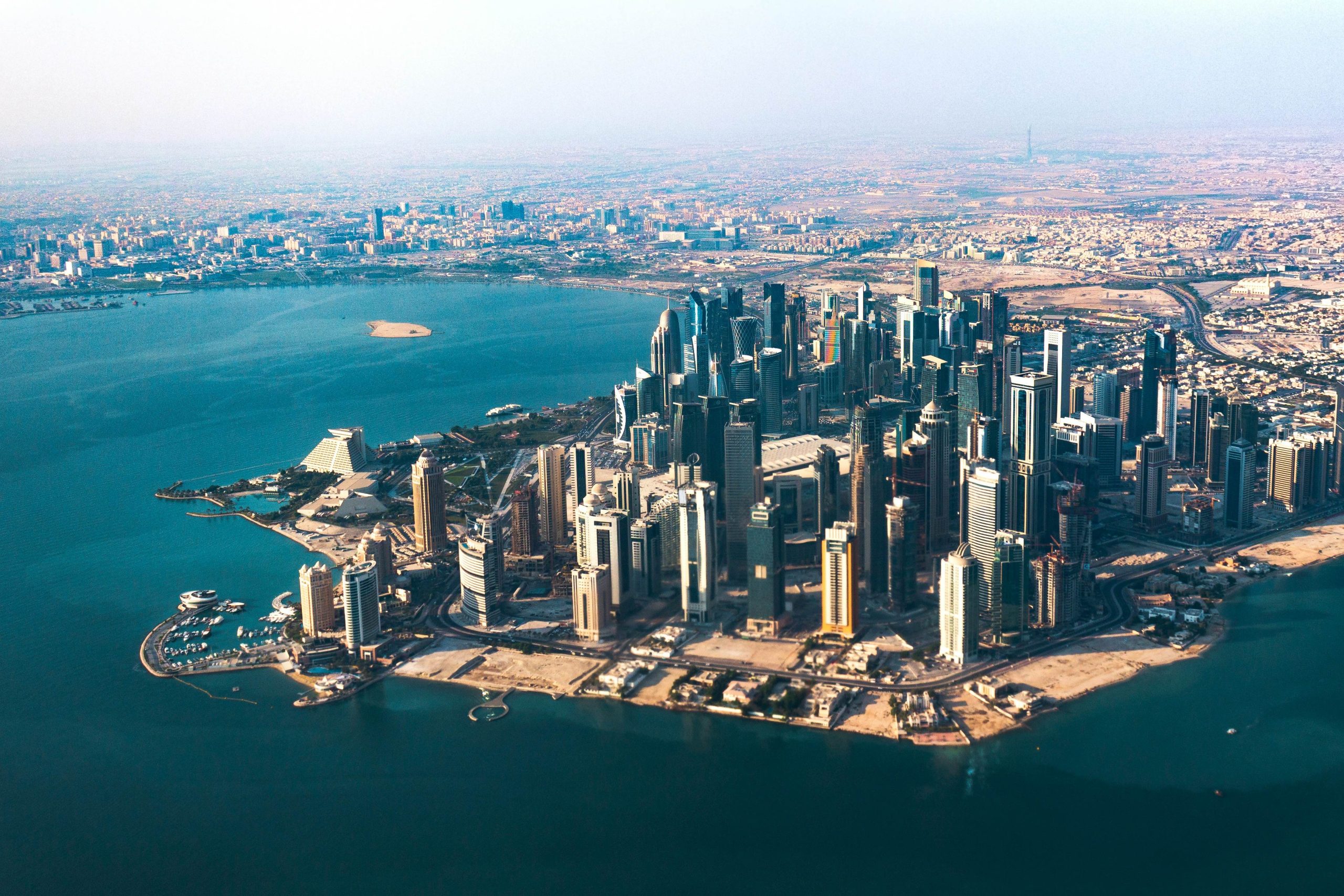
In an increasingly borderless world, discerning investors are no longer confined by geography. They seek markets that offer not just returns but ownership security, regulatory clarity, and long-term global value. Dubai, with its freehold property ownership framework, offers exactly that and more.
Imagine owning a luxury apartment overlooking the Arabian Gulf, with full legal rights as a foreign investor, the ability to pass it on to your children, and the option to lease or sell it without constraint. What was once a vision exclusive to nationals is now accessible to global buyers, thanks to Dubai’s forward-thinking property laws.
The Legal Structure Behind Dubai’s Freehold Property Market
The foundation of Dubai’s freehold property system is Law No. 7 of 2006, also known as the Freehold Decree. It grants foreign nationals the right to own, sell, lease, or transfer property to their heirs in designated areas, with full, perpetual ownership. With no nationality-based restrictions and a transparent title registration process through the Dubai Land Department (DLD), the framework offers global investors the same legal standing as UAE nationals. This legal clarity lays the groundwork, but to fully understand the value of investing in Dubai, it’s important to distinguish between freehold and leasehold ownership models.
Freehold vs Leasehold Property Ownership in Dubai
Understanding the difference between freehold and leasehold ownership is key to making informed decisions in Dubai’s real estate market.
- Freehold: Full ownership of the property and land with no time-bound restrictions. You have complete rights to sell, rent, or pass the property on to heirs.
- Leasehold: Ownership of the unit only for a limited term (typically up to 99 years), with the land retained by the master developer.
As Indian investors, we are accustomed to freehold ownership in cities like Pune, Mumbai or Delhi. Dubai’s freehold zones offer a familiar structure but with far fewer regulatory hurdles and no property taxes. With this familiar ownership model in place, the next step is understanding the types of properties investors can choose from within Dubai’s freehold zones.
Types of Freehold Properties
Dubai’s freehold market offers a wide range of property types, giving investors flexibility based on their goals, whether for rental income, lifestyle, or long-term appreciation.
- Apartments: High-rise units in prime areas like Downtown and Marina. Ideal for rental returns and easy resale.
- Villas and Townhouses: Low-rise homes in gated communities such as Arabian Ranches and Dubai Hills. Preferred by families and long-term residents.
- Penthouses: Ultra-luxury residences with panoramic views, often bought as second homes or statement investments.
- Commercial Units: Offices and shops in key business areas, suitable for companies and investors looking to grow or diversify.
With property types defined, the next key factor is location. Let’s look at Dubai’s top freehold zones.
List of Freehold Areas in Dubai
Dubai has multiple designated areas as freehold zones, welcoming foreign investment and long-term ownership. These locations are not just accessible, they are among the most desirable in the city.
Some of the top-performing zones include:
- Downtown Dubai: A premium lifestyle destination anchored by the Burj Khalifa
- Dubai Marina: Popular for luxury waterfront living and consistent rental demand
- Palm Jumeirah: A globally recognised address with strong capital appreciation
- Business Bay: A commercial-residential hybrid, attracting both end-users and tenants
- Jumeirah Village Circle (JVC): Emerging as a mid-market favourite with solid ROI
(DXBInteract, Bayut)
These freehold zones offer a blend of premium living and strong investment potential, giving buyers the best of both lifestyle and long-term value. Now that we’ve covered where to invest, it’s important to understand who is eligible to purchase freehold property in Dubai.
Eligibility Criteria for Investing in Dubai’s Freehold Market
One of the key advantages of Dubai’s freehold system is its accessibility. Any foreign national aged 21 or above, regardless of residency status or country of origin, can purchase freehold property in designated areas. This ease of entry has made Dubai one of the most accessible global property markets for Indian investors. Beyond its ease of access, what truly sets Dubai’s freehold model apart are the long-term advantages it offers to investors.
Advantages of Dubai Freehold Property Ownership
Freehold ownership in Dubai extends well beyond property acquisition, it’s a gateway to long-term financial security, lifestyle privileges, and legacy planning. Here’s what makes the model so compelling:
- Full Ownership Rights: Investors gain 100% ownership of both the property and the land it stands on, with complete control over resale, leasing, and usage.
- Attractive Rental Yields: Prime freehold areas deliver strong returns, with rental yields reaching up to 10% annually, among the highest globally in comparable markets.
- No Property Taxes: Dubai offers a highly tax-efficient environment with no annual property tax and no capital gains tax on resale, allowing investors to maximise net returns.
- Residency Privileges: Investors purchasing property worth AED 750,000 or more are eligible for a renewable 2-year visa, while those investing AED 2 million or above can apply for the 10-year Golden Visa.
- Inheritance and Succession Planning: Through the DIFC Wills and Probate Registry, investors can register wills to secure asset transfer to heirs.
These advantages make Dubai’s real estate market uniquely positioned to serve both investment performance and legacy planning, a proposition few international markets can match.
With Dubai continuing to see growth in population, infrastructure, and global demand, freehold zones are expanding, and so are asset prices and rental demand. For Indian investors seeking exposure to a transparent, tax-efficient, and strategically located real estate market, Dubai offers a rare combination of security and scalability.
In a market where timing, insight, and access make all the difference, SQUAREA brings you closer to Dubai’s most exclusive freehold opportunities. Whether you’re building an international portfolio, planning intergenerational wealth, or acquiring a lifestyle-led residence, we offer discreet advisory and tailored curation backed by deep market knowledge. For more details, get in touch with us at hello@squarea.io or contact +91 90 9641 9641.

 The Beginning: When the Red Line Changed Dubai
On 9 September 2009, the Red Line launched - a bold step in a city known for highways and cars. What seemed experimental quickly became essential.
Connecting the airport to Deira, Downtown, Business Bay, Marina, Jebel Ali and later Expo City, it reshaped how Dubai moved - and how it grew.
Areas near stations saw rising demand, stronger occupancy, and increasing property values. Districts like Business Bay, Marina and Jebel Ali evolved into some of the city’s most connected hubs.
The Metro didn’t just support development.
It accelerated it.
The Green Metro Line Expanded Dubai Beyond the Main Corridor
Two years later, on 9 September 2011, the Green Metro Line began service, extending the Metro beyond the main business corridor and into the heart of everyday Dubai.
Connecting Deira, Bur Dubai, Al Qusais, Al Nahda and Dubai Healthcare City, it linked older, densely populated neighborhoods to the wider city, easing congestion and improving daily movement.
Infrastructure must expand ahead of population growth - not after congestion becomes unmanageable.
That philosophy now defines Dubai’s future metro strategy.
Dubai Metro by the Numbers: A System That Became Essential
Over time, Dubai Metro evolved from infrastructure into daily necessity.
Current Performance Highlights
The Beginning: When the Red Line Changed Dubai
On 9 September 2009, the Red Line launched - a bold step in a city known for highways and cars. What seemed experimental quickly became essential.
Connecting the airport to Deira, Downtown, Business Bay, Marina, Jebel Ali and later Expo City, it reshaped how Dubai moved - and how it grew.
Areas near stations saw rising demand, stronger occupancy, and increasing property values. Districts like Business Bay, Marina and Jebel Ali evolved into some of the city’s most connected hubs.
The Metro didn’t just support development.
It accelerated it.
The Green Metro Line Expanded Dubai Beyond the Main Corridor
Two years later, on 9 September 2011, the Green Metro Line began service, extending the Metro beyond the main business corridor and into the heart of everyday Dubai.
Connecting Deira, Bur Dubai, Al Qusais, Al Nahda and Dubai Healthcare City, it linked older, densely populated neighborhoods to the wider city, easing congestion and improving daily movement.
Infrastructure must expand ahead of population growth - not after congestion becomes unmanageable.
That philosophy now defines Dubai’s future metro strategy.
Dubai Metro by the Numbers: A System That Became Essential
Over time, Dubai Metro evolved from infrastructure into daily necessity.
Current Performance Highlights

