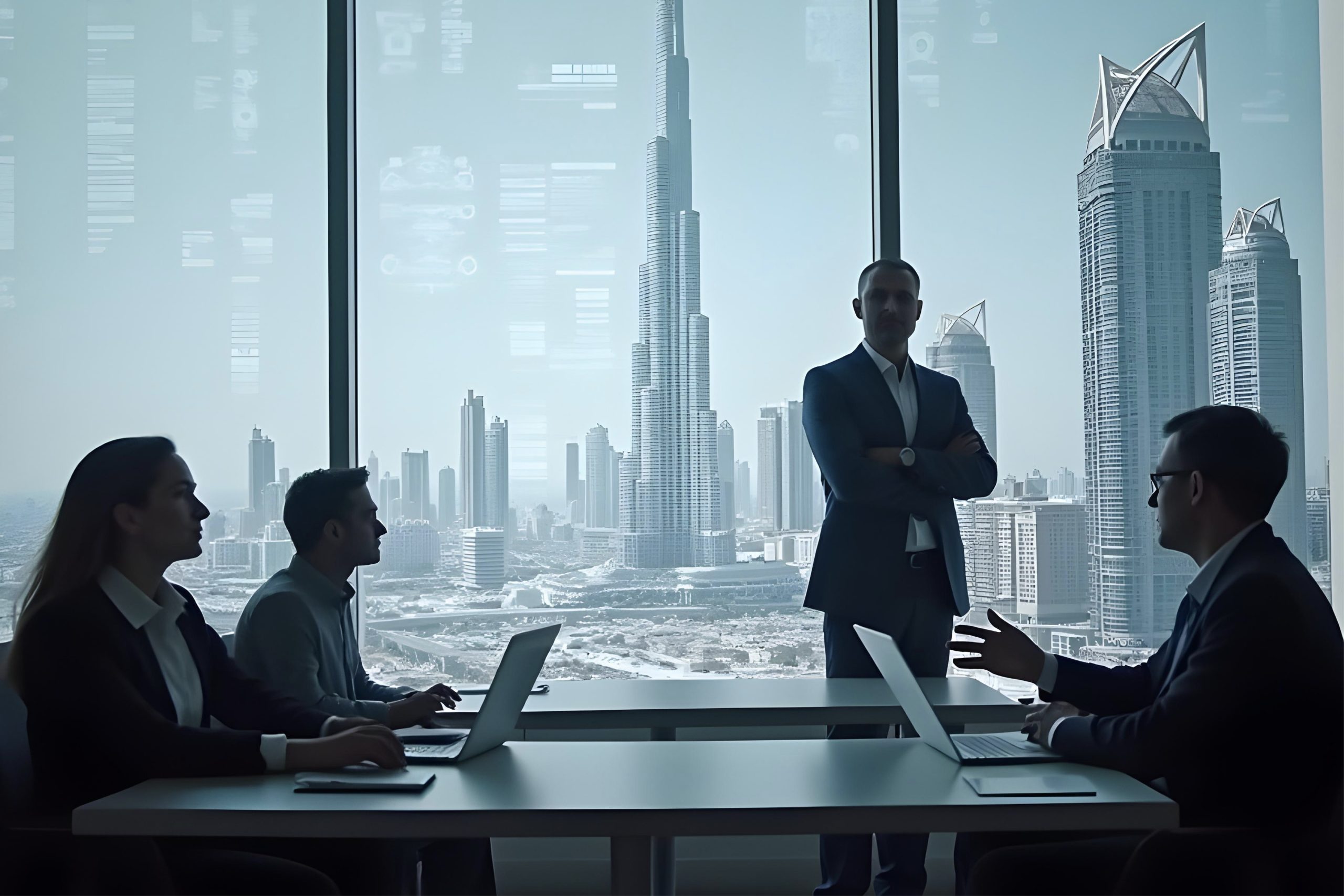
Dubai’s real estate sector is a thriving hub for international investors. With its rapidly growing economy, tax advantages, and world-class infrastructure, the city offers endless opportunities. However, for newcomers, navigating this dynamic market can be daunting.
How do you take the first step? Let’s break it down into actionable strategies to help you start your journey into one of the world’s most rewarding real estate markets.
Why Invest in Dubai Real Estate?
Dubai’s real estate market has consistently outperformed expectations, driven by several unique advantages:
- Tax-Free Environment: Investors enjoy zero property taxes and capital gains taxes, maximizing profitability.
- High Rental Yields: Residential properties offer some of the world’s highest rental yields, averaging 8-10%.
- Growing Demand: A rising population and tourism levels contribute to sustained rental demand and capital appreciation.
- World-Class Infrastructure: Iconic projects and continuous development enhance Dubai’s global appeal.
Understanding Dubai’s Market Dynamics
Before diving in, familiarize yourself with the real estate landscape. Key areas such as Downtown Dubai, Business Bay, Jumeirah Village Circle and Dubai South are hotbeds for investment due to high rental demand and strong resale potential. Stay updated on trends such as the rise of short-term rentals and the impact of mega-events like Expo 2020 and COP28, which have significantly boosted the sector.
Five Strategic Pathways to Invest in Dubai Real Estate
1. Buy-to-Let Residential Properties
Purchasing residential units for long-term rentals remains a cornerstone investment strategy. With steady tenant demand, particularly in areas like Dubai Marina, Jumeirah Village Circle, and Downtown Dubai, investors can secure consistent rental income while benefiting from property value appreciation over time.
Key Insight: Properties close to metro stations, schools, and retail centers tend to achieve higher occupancy rates and rental returns.
2.Invest in Off-Plan Developments
Off-plan properties—units sold before or during construction—offer significant entry advantages, including lower purchase prices and flexible payment plans. Many developers offer down payments as low as 10%, allowing investors to secure premium assets at competitive prices.
Moreover, these properties often see a 15-25% value increase upon completion, offering potential capital gains. Off-plan developments near Expo City Dubai, Dubai South and Business Bay are particularly in demand, reflecting the city’s long-term growth vision.
3. Leverage Short-Term Rentals
Dubai’s global status as a tourism and business hub has fueled the growth of short-term rental markets. Properties listed on platforms like Airbnb or Booking.com in tourist-heavy areas, such as Palm Jumeirah and City Walk, can yield 20-30% higher returns than long-term leases, especially during peak travel seasons.
Pro Tip: Collaborate with professional property management firms to optimize occupancy rates and streamline operations.
4. Diversify with Commercial Real Estate
Investing in office spaces, retail outlets, or industrial warehouses is a strategic way to diversify your portfolio. With Dubai’s position as a global business hub, demand for commercial properties in areas like Dubai International Financial Centre (DIFC) and Al Quoz Industrial Zone remains strong.
Commercial properties often come with long-term lease agreements, ensuring stable income streams and reduced tenant turnover.
Critical Success Factors for Real Estate Investment
1. Choose the Right Location
Location is the single most critical determinant of real estate success. Focus on high-demand areas near infrastructure, employment hubs, and tourist attractions. Properties in Dubai Creek Harbour, Dubai Hills Estate, Meydan, Dubai Land and Dubai South offer strong growth potential.
2. Understand Market Dynamics
Stay informed about market trends, government initiatives, and upcoming developments. For example, Dubai’s recent focus on sustainability and smart city technologies has created new opportunities in eco-friendly developments.
3. Work with Reputable Developers
Choosing a trusted developer minimizes risks. Look for established firms with a proven track record of delivering high-quality projects on schedule.
4. Factor in Costs
Account for transaction costs such as the 4% Dubai Land Department (DLD) property registration fee and service charges upon possession. These can impact your overall return on investment.
5. Stay Patient and Long-Term Focused
Real estate investment is a long-term strategy. While short-term fluctuations can occur, Dubai’s fundamentals—population growth, economic stability, and investor-friendly policies—ensure sustained growth over time.
A Market Poised for Growth
Dubai’s real estate market is more than an investment opportunity, it’s a gateway to building wealth in one of the world’s most dynamic cities. By leveraging strategic approaches and expert guidance, you can capitalize on the city’s unmatched potential for high returns and long-term growth.
At Squarea Consulting, we leverage market expertise, data-driven strategies, and personalized advice to help you maximize the potential of your investments.
Our services include:
- Tailored Investment Strategies: Customized to your financial goals and risk tolerance.
- Market Insights: Access to the latest trends and opportunities.
- Comprehensive Support: End-to-end consultation, including property selection, legal compliance, and post-purchase management.
- Visa Assistance: Guidance on residency and investment-linked visa options.
- NRI Taxation Assistance: Expert advice on tax implications for non-resident investors.
- Mortgage Assistance: Support in securing financing options for your investment
Whether you’re exploring buy-to-let properties, off-plan developments, or REITs, Squarea Consulting ensures a seamless and profitable investment experience. Contact us today.

 The Beginning: When the Red Line Changed Dubai
On 9 September 2009, the Red Line launched - a bold step in a city known for highways and cars. What seemed experimental quickly became essential.
Connecting the airport to Deira, Downtown, Business Bay, Marina, Jebel Ali and later Expo City, it reshaped how Dubai moved - and how it grew.
Areas near stations saw rising demand, stronger occupancy, and increasing property values. Districts like Business Bay, Marina and Jebel Ali evolved into some of the city’s most connected hubs.
The Metro didn’t just support development.
It accelerated it.
The Green Metro Line Expanded Dubai Beyond the Main Corridor
Two years later, on 9 September 2011, the Green Metro Line began service, extending the Metro beyond the main business corridor and into the heart of everyday Dubai.
Connecting Deira, Bur Dubai, Al Qusais, Al Nahda and Dubai Healthcare City, it linked older, densely populated neighborhoods to the wider city, easing congestion and improving daily movement.
Infrastructure must expand ahead of population growth - not after congestion becomes unmanageable.
That philosophy now defines Dubai’s future metro strategy.
Dubai Metro by the Numbers: A System That Became Essential
Over time, Dubai Metro evolved from infrastructure into daily necessity.
Current Performance Highlights

