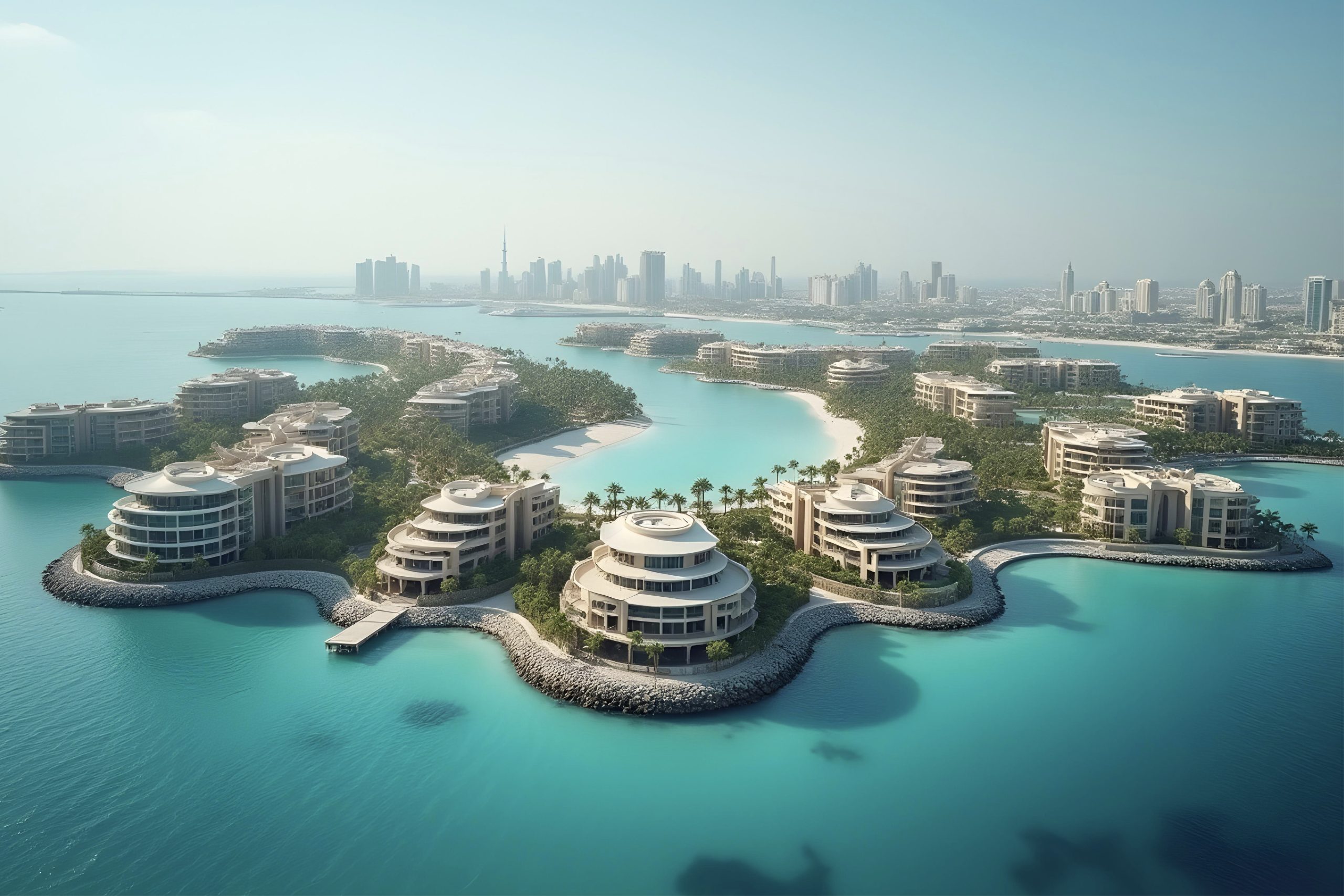
Dubai has become synonymous with luxury, modernity, and a thriving real estate market that attracts investors from all over the world. For Indian buyers, Dubai offers high rental yields, tax-free income, and a robust legal framework, making it one of the top destinations for property investments. However, myths and misconceptions about investing in Dubai real estate can create unnecessary doubts and confusion.
In this blog, we address the most common myths about the Dubai property market and provide clarity, ensuring you make informed decisions.
Myth 1: Foreigners Can’t Buy Freehold Property in Dubai
Reality: This is one of the most widespread misconceptions. Foreigners can purchase freehold properties in designated areas without restrictions. Freehold ownership provides full ownership rights, including the land it is built on, with no time limit. Dubai’s freehold zones include iconic neighborhoods like Palm Jumeirah, Downtown Dubai, Dubai Marina, Business Bay and many more. With over 80 freehold districts and communities, foreign investors have ample options to choose from.
On the other hand, leasehold properties are available for a maximum of 99 years, after which ownership reverts to the original owner. However, leasehold properties are becoming increasingly rare in Dubai, as the focus shifts to freehold zones to attract global buyers.
Myth 2: You Need to Be a Millionaire to Buy Property in Dubai
Reality: Dubai offers a wide range of real estate options to suit various budgets. Apartments in developing areas start from AED 440,000 ($120,000 or approximately ₹1 crore), making it accessible for mid-range investors. Additionally, developers often provide interest-free payment plans that allow buyers to spread their payments over several years, making property ownership even more affordable. For example, some payment plans extend up to five years after project completion, enabling buyers to live in or rent out the property while paying off the installments.
Myth 3: You Must Be Present in Dubai to Buy Property
Reality: The process of purchasing property in Dubai can be completed remotely, thanks to the city’s digital transformation and streamlined legal processes. In fact, approximately 60% of real estate transactions in Dubai are conducted remotely. All you need is a passport and a trusted representative—often provided by reputable real estate agencies—to handle the paperwork on your behalf. Virtual property tours and detailed project documentation ensure transparency for overseas buyers.
Myth 4: Non-Residents Can’t Secure a Mortgage
Reality: Non-residents can avail of mortgages in Dubai, although the terms are slightly less favorable than those for residents. Typically, non-residents are required to pay a 50% down payment compared to 20% for residents. Interest rates for non-residents range from 3% to 6.5% per annum, depending on the borrower’s financial profile and creditworthiness. Many Indian investors prefer paying upfront or using developer payment plans to bypass the higher mortgage costs.
Myth 5: Developing Areas Are Not Worth Investing In
Reality: Developing areas in Dubai often offer the highest potential for capital appreciation. With the city’s robust urban planning and infrastructure development, new zones are consistently being transformed into high-demand residential and commercial hubs. For example, Dubai Hills Estate and Jumeirah Village Circle have seen significant price appreciation as metro lines, shopping malls, and other amenities have been introduced. By investing early in these upcoming hotspots like Dubai South and Dubai Land and Palm Jebel Ali, buyers can secure properties at lower prices and benefit from higher returns in the future.
Dubai’s real estate market offers incredible opportunities for Indian and global investors looking for high returns, tax-free income, and a premium lifestyle. By debunking common myths and understanding the realities, you can navigate the market with confidence and clarity.
For a seamless investment journey, consult Squarea, your trusted real estate advisory partner. Our team of experts specializes in helping Indian buyers find the perfect property in Dubai. Contact us today to turn your Dubai property aspirations into reality!

 The Beginning: When the Red Line Changed Dubai
On 9 September 2009, the Red Line launched - a bold step in a city known for highways and cars. What seemed experimental quickly became essential.
Connecting the airport to Deira, Downtown, Business Bay, Marina, Jebel Ali and later Expo City, it reshaped how Dubai moved - and how it grew.
Areas near stations saw rising demand, stronger occupancy, and increasing property values. Districts like Business Bay, Marina and Jebel Ali evolved into some of the city’s most connected hubs.
The Metro didn’t just support development.
It accelerated it.
The Green Metro Line Expanded Dubai Beyond the Main Corridor
Two years later, on 9 September 2011, the Green Metro Line began service, extending the Metro beyond the main business corridor and into the heart of everyday Dubai.
Connecting Deira, Bur Dubai, Al Qusais, Al Nahda and Dubai Healthcare City, it linked older, densely populated neighborhoods to the wider city, easing congestion and improving daily movement.
Infrastructure must expand ahead of population growth - not after congestion becomes unmanageable.
That philosophy now defines Dubai’s future metro strategy.
Dubai Metro by the Numbers: A System That Became Essential
Over time, Dubai Metro evolved from infrastructure into daily necessity.
Current Performance Highlights
The Beginning: When the Red Line Changed Dubai
On 9 September 2009, the Red Line launched - a bold step in a city known for highways and cars. What seemed experimental quickly became essential.
Connecting the airport to Deira, Downtown, Business Bay, Marina, Jebel Ali and later Expo City, it reshaped how Dubai moved - and how it grew.
Areas near stations saw rising demand, stronger occupancy, and increasing property values. Districts like Business Bay, Marina and Jebel Ali evolved into some of the city’s most connected hubs.
The Metro didn’t just support development.
It accelerated it.
The Green Metro Line Expanded Dubai Beyond the Main Corridor
Two years later, on 9 September 2011, the Green Metro Line began service, extending the Metro beyond the main business corridor and into the heart of everyday Dubai.
Connecting Deira, Bur Dubai, Al Qusais, Al Nahda and Dubai Healthcare City, it linked older, densely populated neighborhoods to the wider city, easing congestion and improving daily movement.
Infrastructure must expand ahead of population growth - not after congestion becomes unmanageable.
That philosophy now defines Dubai’s future metro strategy.
Dubai Metro by the Numbers: A System That Became Essential
Over time, Dubai Metro evolved from infrastructure into daily necessity.
Current Performance Highlights

